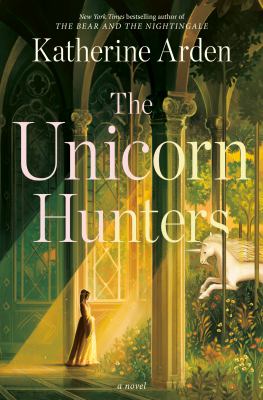

mouse reviewed The Unicorn Hunters by Katherine Arden
girlbossing medieval france
Content warning Spoilers for the ending
I'm coming back to review this book somewhat belatedly, because the story has stuck with me -- not entirely in a good way. There were parts (particularly in the first half) that I really liked. Arden's description of medieval daily life are vivid and (to my amateur eye) refreshingly realistic. She thrives in the details, the trestle tables, ladies in waiting, and rituals of hospitality. As in her Bear and Nightingale series set in medieval Russia, the sense of time and place is strong and evocative and perhaps enough to recommend her books on those merits alone.
But while I liked the alternate history premise, and the fantasy elements had potential, the way the narrative tries to empower the heroine fell flat for me.
Spoilers for the ending below
Anne starts out the story arranging a strategic political marriage for herself to save Brittany's sovereignty. There are no bones made about how distasteful the prospect must seem to the modern reader, and how much of a sacrifice it is for Anne herself. But it's interesting! And it's a situation in which a woman is exercising her agency within the constraints of her society, realistically and without romanticization.
And then... it takes a deus ex machina (or deus ex fairies) turn and Anne magically gets sexual fulfillment, true love, political power, total autonomy, and presumably is also a CEO or whatever. Yay? It's easy to root for her, and the story lays out in no uncertain terms that the alternative is sexual subjugation, humiliation, and loss of her homeland, and yet: the victory feels anachronistic and unearned. It is also so deeply individualistic. Hurray for this one magical duchess who gets to have it all.
I might be being too harsh on what is clearly an escapist fantasy, and Arden does a lot of work giving the side characters their dues. But this particular escape didn't hit for me.
(And as an aside, I noticed that the author would have a scene play out, and then tell the reader directly what happened in the scene. This feels like an increasing norm in this genre and I find it to be a real bummer.)